
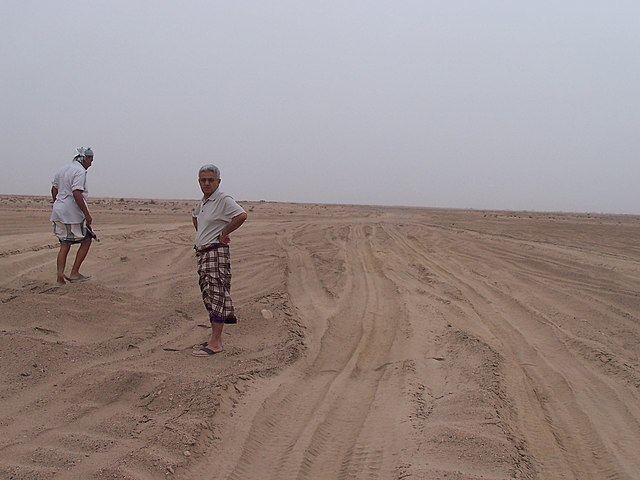
Traveling through Yemen’s desert offers an exciting ride filled with some of the most amazing views on the planet. The rough land, ancient ruins, and vibrant culture pull you in like a strong wind, but the blazing heat can knock you out if you’re not prepared. Roaming the huge Rub’ al Khali or other sandy spots needs smart planning and little-known tricks to stay cool and safe. Imagine walking over endless waves of sand under a burning sun, feeling the past whisper all around. Knowing how to beat the heat and avoid dangers will open up Yemen’s desert magic like never before. Keep reading, because this journey could totally change the way the world looks to you.
1. Understand the Climate
Yemen’s desert climate is characterized by extreme temperatures and minimal rainfall. Daytime temperatures can soar well above 40°C (104°F) during summer months, while nighttime temperatures can drop significantly. Understanding this climate is crucial for preparing yourself mentally and physically for the conditions you’ll encounter.
2. Plan Your Travel Timing
Timing is everything when it comes to desert travel. The best times to visit Yemen’s desert regions are during the cooler months, from October to March. During this period, temperatures are more bearable, and the desert landscapes are often more picturesque with seasonal blooms. Avoid traveling during the peak summer months unless absolutely necessary.
3. Stay Hydrated
Hydration is critical in the desert’s dry environment. The dry heat can quickly lead to dehydration, so it’s essential to drink plenty of water throughout your journey. Aim to consume at least 3-4 liters of water daily, and more if you’re engaging in physical activities. Carry extra water supplies and use a hydration pack if possible.
4. Wear Appropriate Clothing
Choosing the right clothing can make a significant difference in your comfort and safety. Opt for lightweight, breathable fabrics that wick moisture away from your skin. Long-sleeved shirts and long pants can protect you from the sun and sand, while a wide-brimmed hat and sunglasses will shield your eyes and face from harmful UV rays. Light-colored clothing is preferable as it reflects sunlight and helps keep you cooler.
5. Use Sunscreen Generously
The sun in the desert can be relentless, so applying a high-SPF sunscreen is crucial. Apply sunscreen generously to all exposed skin at least 30 minutes before going outdoors and reapply every 2 hours or after swimming or sweating. Don’t forget to protect your lips with a sunscreen lip balm.
6. Prepare for Sand and Dust
Desert environments are known for their sand and dust, which can be challenging for travelers. Protect your electronics and personal items by keeping them in sealed bags or containers. A good pair of goggles or sunglasses can help protect your eyes from sand and dust, while a scarf or face mask can shield your face.
7. Embrace Desert Cuisine
While in Yemen’s desert regions, take the opportunity to experience local cuisine. Traditional desert foods are often high in energy and designed to keep you sustained in harsh conditions. Try local dishes like salta (a spicy meat stew) or baked flatbreads. These foods not only offer a taste of the region but also provide the necessary nutrients and energy for your journey.
8. Know the Terrain and Route
Desert terrain can be challenging, with shifting sands and rugged landscapes. Familiarize yourself with the terrain and your route before setting out. If you’re exploring remote areas, consider hiring a local guide who knows the region well and can navigate the Yemen desert effectively. Always let someone know your plans and expected return time.
9. Be Prepared for Emergencies
In case of emergencies, it’s essential to be prepared. Carry a basic first aid kit that includes supplies for treating dehydration, sunburn, and minor injuries. Additionally, bring a satellite phone or other reliable communication device, especially if you’re venturing into remote areas with limited cell service.
10. Respect Local Customs and Culture
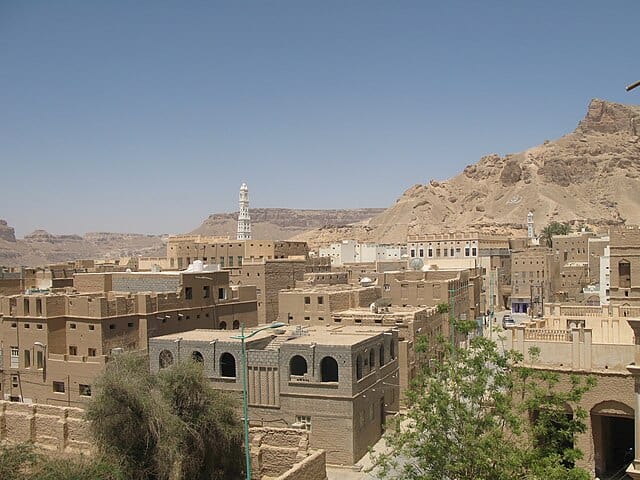
Yemen is rich in cultural heritage, and respecting local customs and traditions is vital. When traveling in desert regions, dress modestly and be mindful of local etiquette. Engaging with local communities respectfully can enhance your experience and provide deeper insights into the desert’s cultural significance.
11. Understand Desert Wildlife
Desert wildlife, including various reptiles, insects, and mammals, is adapted to survive in harsh conditions. While encounters with wildlife can be rare, it’s important to be aware of the potential presence of animals such as snakes and scorpions. Stay vigilant and avoid disturbing wildlife.
12. Practice Eco-Friendly Travel
Preserving the natural beauty of Yemen’s deserts is crucial for future generations. Practice Leave No Trace principles by minimizing your impact on the environment. Avoid littering, stay on marked trails, and respect wildlife and plant life. Your actions contribute to the preservation of these unique landscapes.
Conclusion
Traveling in Yemen’s desert can be a remarkable and rewarding experience if you are well-prepared for the challenges posed by the heat and arid conditions. By understanding the climate, staying hydrated, wearing appropriate clothing, and respecting local customs, you can ensure a safe and enjoyable journey. Embrace the adventure, and let the timeless beauty of Yemen’s deserts leave an indelible mark on your memory.
With these tips in mind, you’re ready to embark on your desert adventure, equipped to handle the heat and immerse yourself in the extraordinary landscapes and rich cultural heritage of Yemen’s desert regions. Safe travels and enjoy the incredible journey ahead!


